‘Our kids are under attack’: TikTok, YouTube and Snapchat must protect minors
A coalition is asking TikTok, YouTube and Snapchat to match Meta’s safeguards, including overnight blocks, school-hour limits and stronger parental controls.
TikTok, YouTube and Snapchat should adopt Meta’s child safeguards now. On Oct. 13, 2026, FOX Business’s headline put the family stake plainly: “Our kids are under attack.”
The push follows Meta’s August settlement with 52 attorneys general across states, U.S. territories and Washington, D.C. Under it, Meta will pay up to $18 billion and overhaul teen experiences on Facebook and Instagram. In a letter obtained by FOX Business, the American Principles Project and other organizations called Meta’s new protections a “new and higher standard for the industry.”1
If that standard is right for Instagram, why should it stop at the door of TikTok?
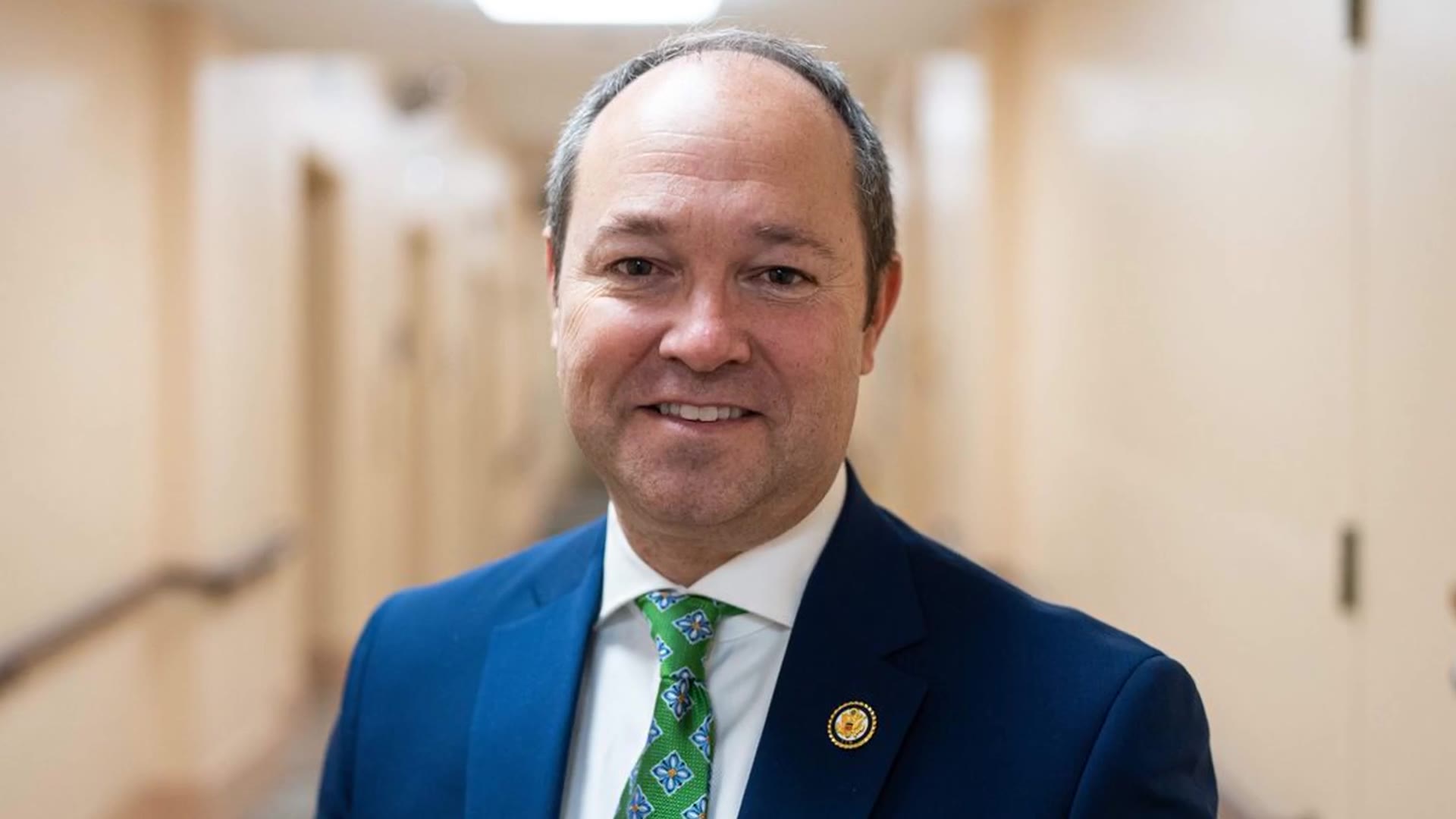
Terry Schilling, president of the American Principles Project, said, “TikTok, Snapchat, and all the online platforms that deal with our children online have the duty to make the same changes that Meta did1 because our kids always need to be protected.”
“There is nothing more important than securing the innocence of our children and making sure that they are not being corrupted simply by the people that want to make money and indoctrinate them into harmful ideologies.”
Children need safeguards across apps
The coalition's letter answers that question with a warning: Meta's changes will have limited impact if children restricted from Facebook and Instagram can simply shift their time to competing platforms. In its own words: "because these protections are limited to just two apps, we worry that this settlement leaves the job of protecting kids very much incomplete1."
Meta itself has spelled out what it signed: "Our agreement includes strict daily time limits teens can't turn off, default blocks from our apps at night, muted notifications during school hours, and new controls for parents2." The letter asks TikTok, YouTube and Snapchat for that package. It calls for strict daily time limits, restrictions during school hours and overnight, stronger parental controls over algorithmic feeds and autoplay, hidden likes by default and age verification1.
The stakes are not abstract. The letter points to risks it says exist across all three platforms, including exposure to violent or sexual content and contact with "drug dealers and predators1." An Instagram curfew means little to a child who can open TikTok at midnight.
Parents need control over online risks
In Pierce v. Society of Sisters in 1925, the Supreme Court held that the child "is not the mere creature of the state." In Troxel v. Granville in 2000, the Court called parents' care, custody and control "perhaps the oldest of the fundamental liberty interests3." A feed engineered to keep a child scrolling past bedtime cuts against that right every night.
Schilling, a father, told FOX Business, “I see the content that my children stumble across. I am playing serious defense here, and we need a lot more help.” He named what is at risk: “There is nothing more important than securing the innocence of our children and making sure that they are not being corrupted simply by the people that want to make money and indoctrinate them into harmful ideologies.”1
Some states are already acting on that principle. The coalition highlighted efforts in Utah, Texas, Louisiana and Alabama to require age verification and parental consent at the app-store level1. Parental consent at the app store puts the decision at the kitchen table, where it belongs.
Platforms can act before government does
Schilling laid out the choice on X the day the report ran: “Right now @Snap, @YouTube, @tiktok_us have the ability to adopt these protections for children of their own volition — if they don’t, the government will end up stepping in to regulate much more forcefully.”
YouTube and TikTok have already had their chance. In September, Schilling said they "failed to step up and join Meta in offering meaningful new changes to keep kids safe on their platforms4." Then, he said, "YouTube and TikTok both chose to back out of an event with HHS where they may have been asked to answer for the harm they've caused millions of children and families5."
Every platform should protect children
The coalition's letter sets the bar: "Families across the country deserve consistent, enforceable safe-design standards on every platform their children use1." Until broader federal protections are enacted, the letter urges the three platforms to adopt Meta's safeguards voluntarily.
Parents and policymakers should demand that TikTok, YouTube and Snapchat put that standard in place. Will you shut your app down overnight and during school hours, yes or no? Will you give parents control over the feed and autoplay, and verify a user's age, yes or no? Meta already said yes, and every platform a child uses owes families the same answer.
Sources
FAMILY BRIEF The news and network for the American family.