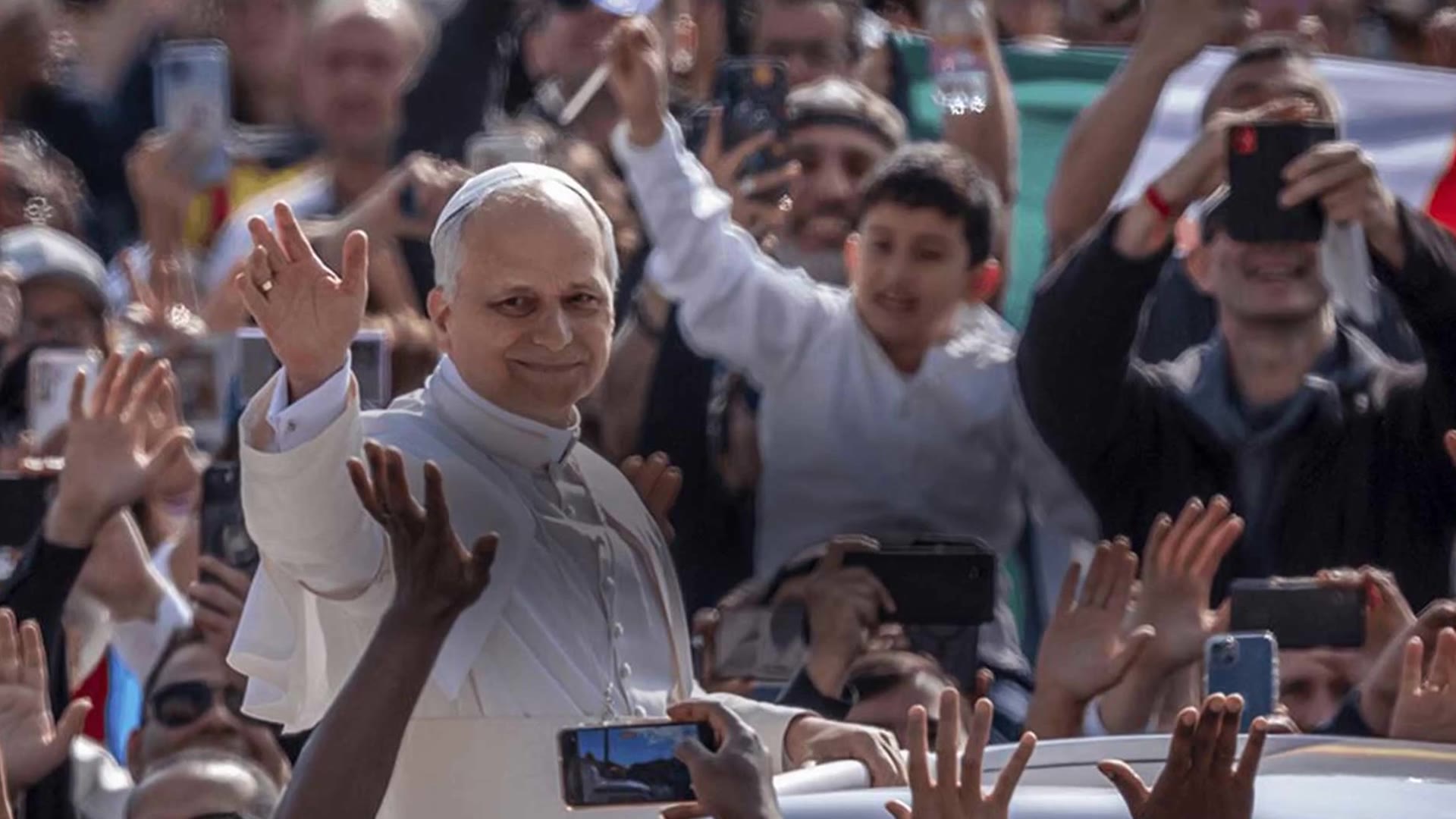
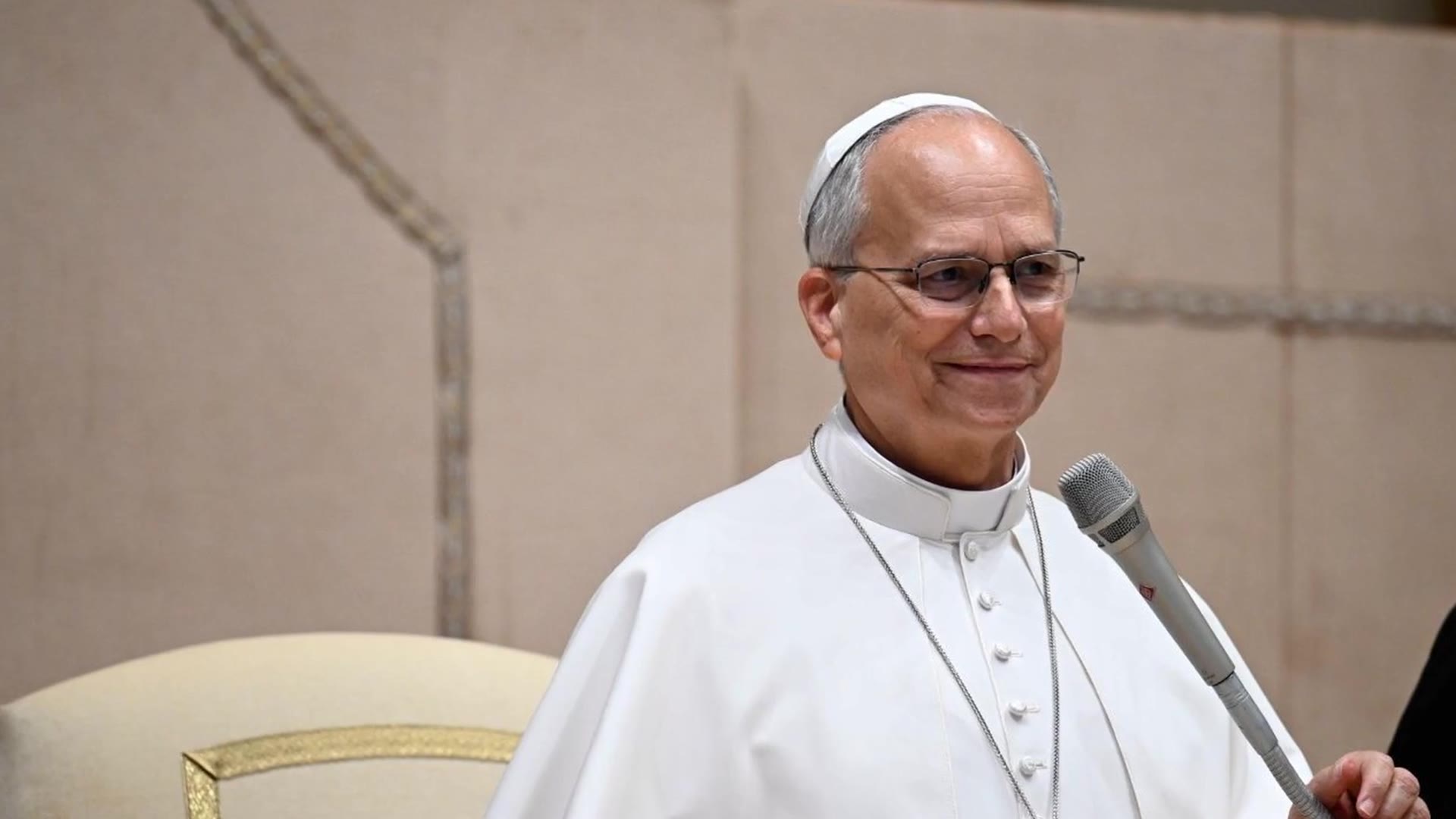
Msgr. Charles Pope warns piety can weaken Christian witness
In his homily for the 26th Sunday in Ordinary Time, Pope warns that believers’ treatment of others and daily conduct shape whether they hand on the faith.
Msgr. Msgr. Charles Pope—pastor of Holy Comforter–St. Cyprian Catholic Church in Washington, D.C., since 2007, ordained in 1989 and named a Monsignor in 2005, leader of a weekly Bible study at the White House and writer for the National Catholic Register and Our Sunday Visitor—warns in his homily for the 26th Sunday of the Year, Sept. 27, that three failures of piety obstruct evangelization. He writes that Jesus is speaking to "the religious leaders and religiously observant of His day." His message is that piety carries three common sins, "lost connections, leaping to conclusions and lip service," and that each weakens a disciple's ability to hand on the faith1.
The Gospel is Matthew, chapter 21. The reading is verses 28–32. Jesus tells the chief priests and elders a parable about two sons sent by their father to work in a vineyard. He says tax collectors and prostitutes are entering the kingdom of God before them2. Pope reads the parable as speaking to believers today: the father is God, and the sons are all of us1. Faith is at the center of family life.
“God can use anything, but He shouldn’t have to.”
Three failures of piety
Pope begins with lost connections. Reading the man with two sons as God and the sons as all people, he says everyone shares one Father and everyone has sin, so no one should cut the link with others, whether of another political party, class or race. He turns to God's question to Cain in Genesis 4:9, and says Jesus sent the disciples to all nations, so the least likely member of a family may be the one God most wants us to reach1.
Next comes leaping to conclusions. The Scribes and Pharisees labeled many people sinners and wrote them off, and they were shocked that Jesus ate with them, he says, citing Luke 15:21. Citing St. Augustine, Pope says no one can know how another will turn out. He recalls a man who left the Church in his forties, returned in his sixties and reconciled with his wife and children, then invokes St. Paul’s warning in 1 Corinthians 9:27: no one is a permanent member of the vineyard.
Last is lip service, pictured in the second son who says yes and does not go. Pope says religious observance can itself blind believers to wider disobedience, and that Christians who give only lip service are poor witnesses to those they should evangelize1.
Pope presses the point about the people believers are tempted to dismiss. Evangelization, he says, calls for great care not to write anyone off, including those who seem locked in very serious sinful patterns and those who seem hostile to God1.
The passage is in Matthew 21.
On lip service, Pope turns from the second son's failure to the question he puts to every believer: will Sunday praise become Monday obedience? He names forgiving others, generosity to the poor and chastity among the things God asks of those who say yes1.
He then says what the best witness looks like. It is a life being changed by Jesus Christ, one that shows love, justice, charity, forgiveness, mercy, generosity and a biblical understanding of sexuality, the life of a person with a renewed mind and heart1.
Pope’s own words
On dismissing others, Pope writes: "But God may have a question for us: “Where is your brother?” (Gen 4:9)" On perseverance, he quotes Paul: "lest after preaching to others I myself should be disqualified." On perseverance, he quotes Paul: "lest after preaching to others I myself should be disqualified." Pope writes, “God can use anything, but He shouldn’t have to.”1
On religious observance itself, he writes that "it is our very religious observance (a good and commanded thing to be sure) that often blinds us to our wider disobedience." For evangelization, he says, "Our greatest witness must be a life that is being changed by Jesus Christ1."
He backs the point with St. Augustine, whom he cites as saying that "He of whom we had despaired is converted suddenly and becomes very good." Of the second son, who promises obedience and never goes to the vineyard, Pope writes: "His lack of follow-through demonstrates a great danger to the religiously observant: giving God “lip service.”1"
Faith begins at home
Pope makes obedience concrete at home, asking whether Sunday praise will become Monday action: "Will we love our spouse and children1?"
Religious conviction shapes how those families raise their children and understand moral responsibility, which is why a priest's warning against writing off a brother, or settling for Sunday words without Monday obedience, belongs in the home before it reaches the pew.
Read and listen
Read Pope’s full homily on the Community in Mission blog1.adw.org/2026/09/the-sins-of-the-pious-a-homily-for-the-26th-sunday-of-the-year/). Watch more on [Pope's YouTube channel3](https://www.youtube.com/@msgr.charlespope4580), or listen to his podcast, [Homilies of Monsignor Charles Pope4](https://open.spotify.com/show/7GkPNqimy5aeJvKs5UeibF).spotify.com/show/7GkPNqimy5aeJvKs5UeibF.
Its feed lists earlier homilies, among them "The Fear of the Lord (12 A 2026)," "Pentecost Paradoxes" and a Holy Thursday homily4. Pope's website, msgrpope.com, says he writes a daily blog and links to his columns for Our Sunday Visitor and the National Catholic Register5.
Sources
FAMILY BRIEF The news and network for the American family.