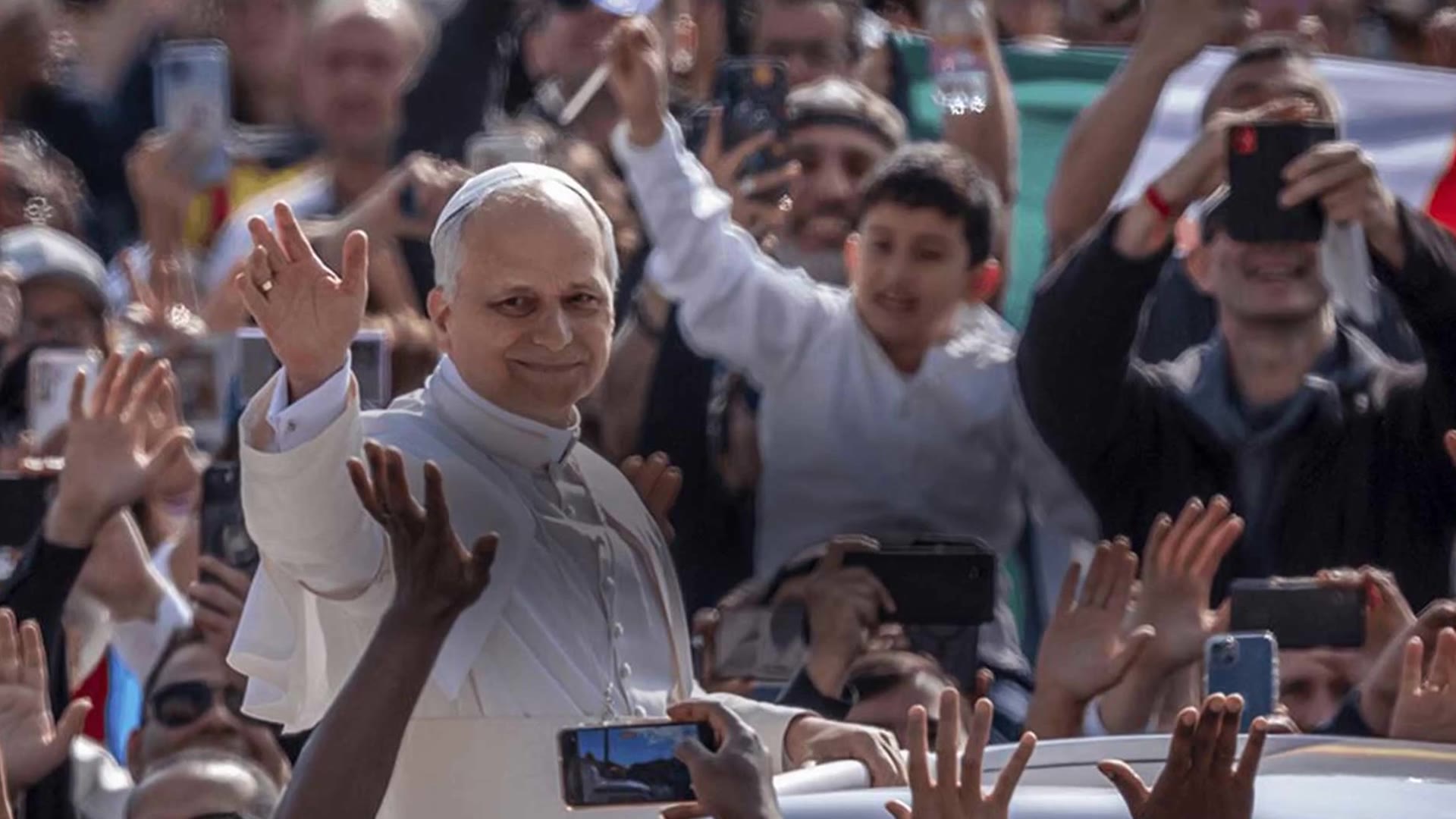
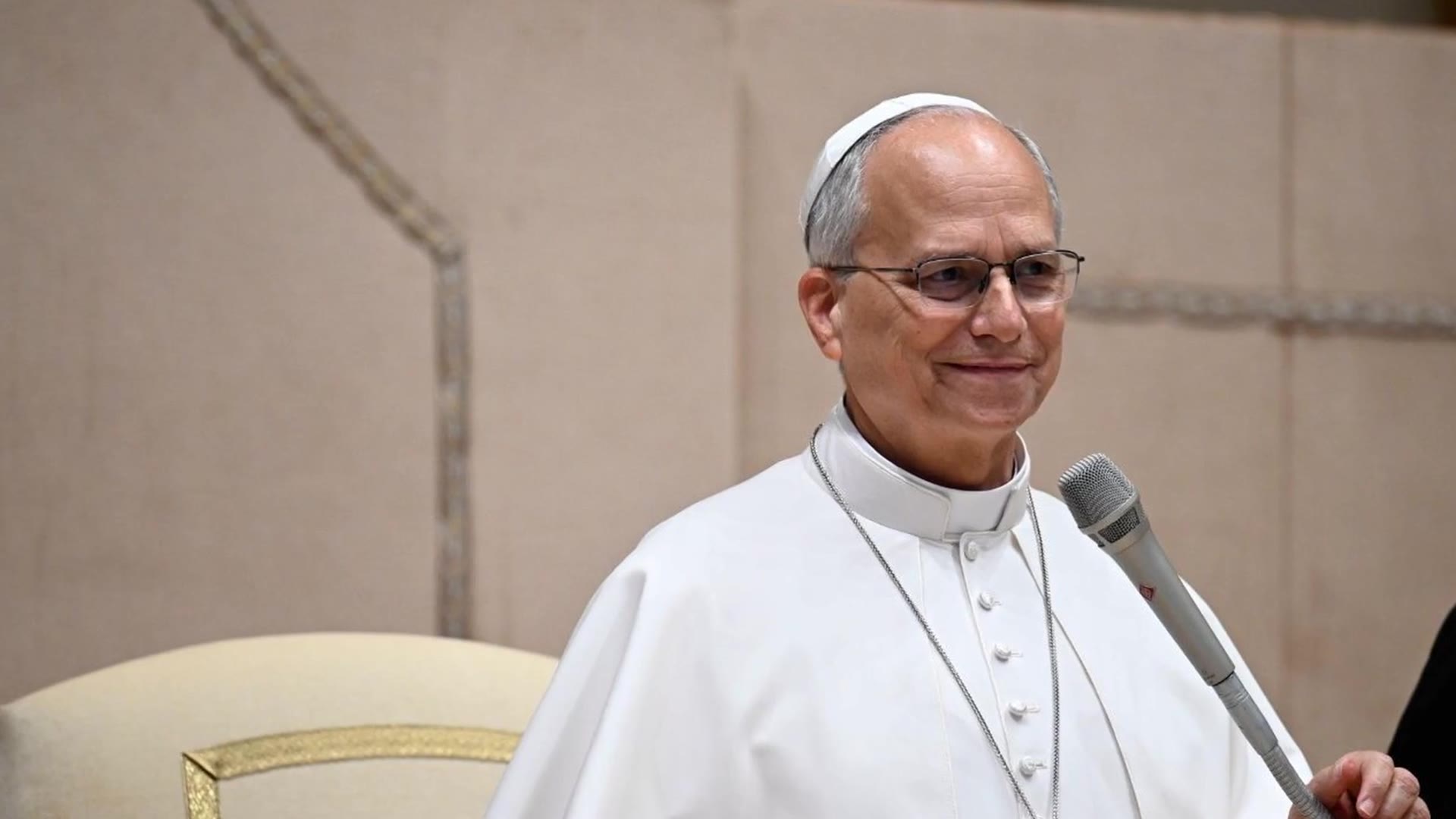
Msgr. Charles Pope says God's mercy makes forgiveness possible
For the 24th Sunday in Ordinary Time, Pope says receiving God's mercy moves Christians to forgive others without requiring them to ignore harm or abandon necessary boundaries.
Msgr. Charles Pope, pastor of Holy Comforter-Saint Cyprian Roman Catholic Church in Washington, D.C., and a Monsignor since 2005, teaches in his homily for the 24th Sunday of the Year that forgiveness is not something we do out of our own flesh1. Pope has served as pastor of Holy Comforter–St. Cyprian since 2007 and was ordained in 1989, and he leads a weekly Bible study at the White House and writes weekly for the National Catholic Register and Our Sunday Visitor2.
His homily opens on what he calls a remarkably sensitive area of the faith: forgiving others who may have harmed us. His answer is that forgiveness grows from receiving mercy: as God's mercy for us dawns on us, he says, the heart is moved3. Pope says forgiveness may be “the most challenging thing we are ever asked to do” in some cases.
The four movements
Having named that sensitive ground, Pope walks the parable of the unforgiving servant in four movements: the problem, the poverty, the pity and the pitilessness3.
The problem comes first: Peter asks how often he must forgive, and Jesus answers seventy-seven times, which Pope reads as a command to set no limit on mercy. Peter's question, Pope says, already assumes a ceiling on forgiveness, and Jesus answers in a Jewish way that mercy and forgiveness cannot be limited1. That does not mean pretending nothing happened, he adds; necessary boundaries may stand, and forgiveness does not require putting ourselves or others at unreasonable risk. We are not always able, he writes, to live in peace and keep relaxed boundaries with people who have shown themselves untrustworthy3. Forgiving does not necessarily mean returning to the way things were, Pope says, but it does mean giving up bitterness, hatefulness, desires for revenge and the need to lash out4.
The poverty follows: the servant who owes ten thousand talents is each of us, Pope says, carrying a debt of sin we can never pay alone. The ten thousand talents, he says, is for his purposes a Jewish way of saying the fellow owes a great deal of money. He criticizes the habit of making light of sin, as in "I'm basically a good person," and says that without Christ paying the difference we are finished1. Grasping that poverty, he says, is what lets us appreciate what Christ did, since we are in real trouble without Christ3.
Then comes the pity: the master cancels the entire debt, and Pope calls it complete and dramatic mercy. He asks hearers to notice how personal the master's mercy is, and says the reader is meant to see himself in the servant1. When it finally dawns on us that the Son of God died for us, Pope says, our hearts break, and we forgive out of gratitude and humility3. A heart broken and humbled that way, he says, will find it hard to hate anyone4.
The pitilessness closes the parable: the servant never grasped his poverty or the gift he received, so his heart stayed hard and he was unfit for the Kingdom. He was willfully ill-equipped to show mercy even though mercy had been extended to him, Pope says. Many Christians are like the servant1, Pope warns: hurt by others, they hurt back, hold grudges and treat forgiveness as weakness3.
He grounds the warning in Scripture, beginning with Matthew 6:14 and Matthew 5:7. Pope also cites Matthew 7:2 and Luke 6:37. His list continues with Matthew 18:35. Pope also cites James 2:13. He also points to Sirach 27:30. By receiving and showing mercy now, he says, we can influence the standard by which God will judge us3.
Pope's own words
Pope defines the act plainly: "forgiveness is letting go of the need to change the past."3 For him, that letting go is relief, not loss.
"Ultimately, forgiveness is freeing; a crushing weight is removed when we receive this gift from God."1
— Msgr. Charles Pope
He places himself under the same teaching: "I don’t know about you, but I’m going to need a lot of mercy on the day of judgement." His conclusion: "In the end, forgiveness is a gift that we must receive from God. It is a work of God in us."3
Faith at home
Family Brief carries this homily because faith is at the center of family life; the teaching is Msgr. Pope's own.
For the families Family Brief serves, faith is not a private sideline; it shapes how parents raise their children and how a household understands moral responsibility. Pope also discusses a wife harmed by her husband, bringing his teaching on forgiveness into a family relationship. A homily that brings that daily work before God speaks directly to the intact family, and it is why the Sunday teaching of a pastor like Msgr. Pope belongs on the family's table.
Explore Pope's work
Read [Pope’s full written homily3](https://blog. adw.org/2026/09/finding-forgiveness-through-the-experience-of-mercy-a-homily-for-the-24th-sunday-of-the-year-2/), visit his YouTube channel, or listen to “Homilies of Monsignor Charles Pope” on Spotify.adw.org/2026/09/finding-forgiveness-through-the-experience-of-mercy-a-homily-for-the-24th-sunday-of-the-year-2/), visit [Msgr. Pope’s YouTube channel5](https://www.youtube.com/@msgr.charlespope4580), or listen to “Homilies of Monsignor Charles Pope” on Spotify.](https://www.youtube.com/@msgr.charlespope4580), or listen to “Homilies of Monsignor Charles Pope” on Spotify.youtube.com/@msgr.charlespope4580), or listen to [“Homilies of Monsignor Charles Pope” on Spotify6](https://open.spotify.com/show/7GkPNqimy5aeJvKs5UeibF).
Sources
- Experience of Mercy: A Homily for the 24th Sunday of the Year - Spiritual Direction
- About - Website of Monsignor Charles Pope
- Finding Forgiveness Through the Experience of Mercy - A Homily for the 24th Sunday of the Year - Community in Mission
- WordPress post record for Finding Forgiveness Through the Experience of Mercy
- Msgr. Charles Pope - YouTube
- Homilies of Monsignor Charles Pope | Podcast on Spotify
FAMILY BRIEF The news and network for the American family.