Enforce Tennessee’s ban against the network routing families around it
The Supreme Court upheld Tennessee’s ban, but Christina Buttons reports that CSE’s network is connecting families to providers who described ways around state restrictions.
Tennessee’s ban on sex-change procedures for minors survived the U.S. Supreme Court, and a funded network is now working to route children around it. City Journal reports that the Campaign for Southern Equality, a North Carolina LGBT nonprofit, launched the Trans Youth Emergency Project in 2023.
Buttons reported that she posed as the Nashville mother of an 11-year-old girl who had only recently begun identifying as nonbinary. When Buttons asked whether the child’s nonbinary identification might prevent puberty blockers, Amanda answered, “Absolutely not.”1
Buttons reports that Amanda said providers typically require approval from only one parent or guardian when parents disagree. That rule leaves an objecting parent without a veto. Amanda told Buttons that a family could request a $500 travel grant after scheduling an appointment, up to four times a year.
“the people, their elected representatives, and the democratic process”
CSE funds referrals across 27 states
Buttons reports that 27 states had enacted laws restricting puberty blockers, cross-sex hormones, and surgeries for minors, and that CSE’s project expanded across those states with more than 130 local and regional partners nationwide. The project distributed more than $1 million in travel grants to over 1,200 families1.
MacKenzie Scott, the Arcus Foundation, and the Chicago Community Trust each contributed at least that amount. This is an operation with a budget, a map of 27 states, and a partner list, not one family’s search for care.
Providers described codes, mail, and telehealth
Buttons reported that Jaye said the clinic used a general “endocrine disorder” code for labs and medications. Buttons reports that providers described mailing medications to families’ homes or sending prescriptions to pharmacies in states where the interventions were banned.
The Supreme Court upheld Tennessee’s ban
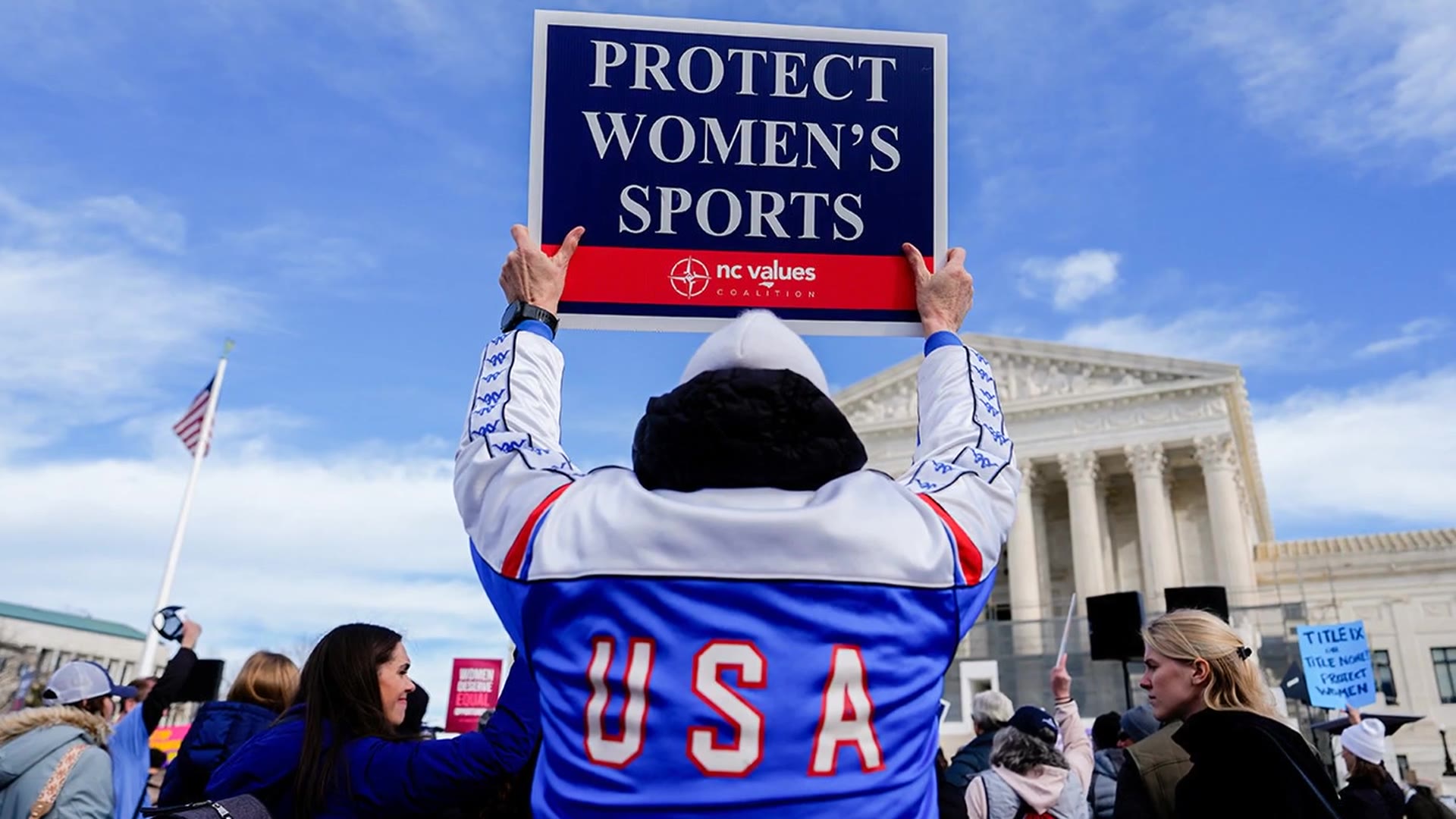
The Supreme Court issued its decision in United States v. Skrmetti on June 18, 2025. Tennessee enacted SB1 in March 2023 to restrict puberty blockers and hormones for minors when prescribed to enable an identity inconsistent with their biological sex or to treat related distress. The Court held that the law satisfies rational basis review, and it said the policy belongs to elected lawmakers. The Court said questions about the law’s policy are for “the people, their elected representatives, and the democratic process.”2
Systematic reviews have found that the evidence supporting puberty blockers and cross-sex hormones for minors was of “low quality” and “very low certainty.”1 The ban is law, and the evidence behind the drugs is thin.
Some providers deny evading state restrictions
Buttons reported that QueerMed founder Dr. Izzy Lowell later said the practice does not mail medications. Buttons reports that Lowell later claimed QueerMed’s providers verify every patient’s location at every visit, in compliance with applicable telemedicine laws.
Buttons reported that QueerMed office manager Ashley said staff could not view the location information collected by the online portal. A location check that requires no proof of location is an assurance, not verification, and state officials should test it against actual prescribing and visit records.
Parents and attorneys general must enforce the bans
Tennessee’s law prohibiting certain medical treatments for transgender minors still stands after the Supreme Court’s ruling2. Parents should take referral networks, prescribing practices, and telehealth arrangements to their state attorney general. Attorneys general should investigate whether providers and organizations comply with their state restrictions, and legislators should close the mail-order and telehealth gaps.
Ask your state attorney general two questions before the next legislative session: is a child in your state being routed to a clinic that prescribes puberty blockers or cross-sex hormones, yes or no, and will the office investigate it?
Sources
FAMILY BRIEF The news and network for the American family.